
The majority of fruit trees in this country are extremely hardy and are well equipped to survive in frozen temperatures. Vulnerability strikes a fruit tree when it is no longer dormant and actively begins to form new growth.
Flowers and buds are particularly at risk of survival. Damage to these areas rarely renders a tree completely helpless, yet the stress of such wounds can take the progression of our tree backwards and undo a lot of your hard work.
The first method in avoiding such a slippery situation is to take steps to prevent it. Picking the right plot and plant are crucial factors when protecting fruit trees from the freeze.

Protecting Fruit Trees: Picking the Perfect Plant
You may live in an area that is regularly susceptible to frosty conditions at this time of year. In this case why not opt for a fruit tree that flowers later on in the season? This will considerably lessen the risk of young buds being damaged.
Here is a quick list of fruits that have a reputation for being a little more resilient in the presence of frost. The majority have late flowering properties: but be aware frost can occur later on in the year too so protecting fruit trees later on may still be necessary:
- Raspberries and Blackberries
- Gooseberries
- Blackcurrants
- Apples
- Pears
- Plumbs
- Cherries (and cherries in particular)
- Peaches, Apricots and Nectarines
For a specific idea of which fruit trees will thrive best in your garden, do some exploring around your local area. Identify the plants that are traditionally bred in your town and opt for one similar. This will give you some confidence that your tree can stand whatever mother nature throws its way.
Protecting Fruit Trees: Picking the Perfect Plot
A little information on frosty behaviour goes a long way! Knowing where and how freezing temperatures will impact your garden will give your fruit the best protection, helping you put that bothersome frost on ice!
Frosty conditions occur when temperatures reach 0 ºC or below.
On clearer evenings where there is little to no cloud cover, warmer air radiates outwards completely disregarding your fruit trees needs. Protecting fruit trees in these conditions is a crucial exercise.
Cold air forms higher in the trees, but due to its density sinks to the floor, freezing anything in its path. If you know your garden has low spots, avoid planting a fruit tree there. The same should be applied to any downward sloping areas in your garden as frost will collect in the lowest parts of your land. If at the bottom of your slope you have a barrier of sorts ( a hedge, fence or wall) you will want to do your best to avoid this plot when planting your tree. These types of barriers enable cold air to collect in a concentrated spot.
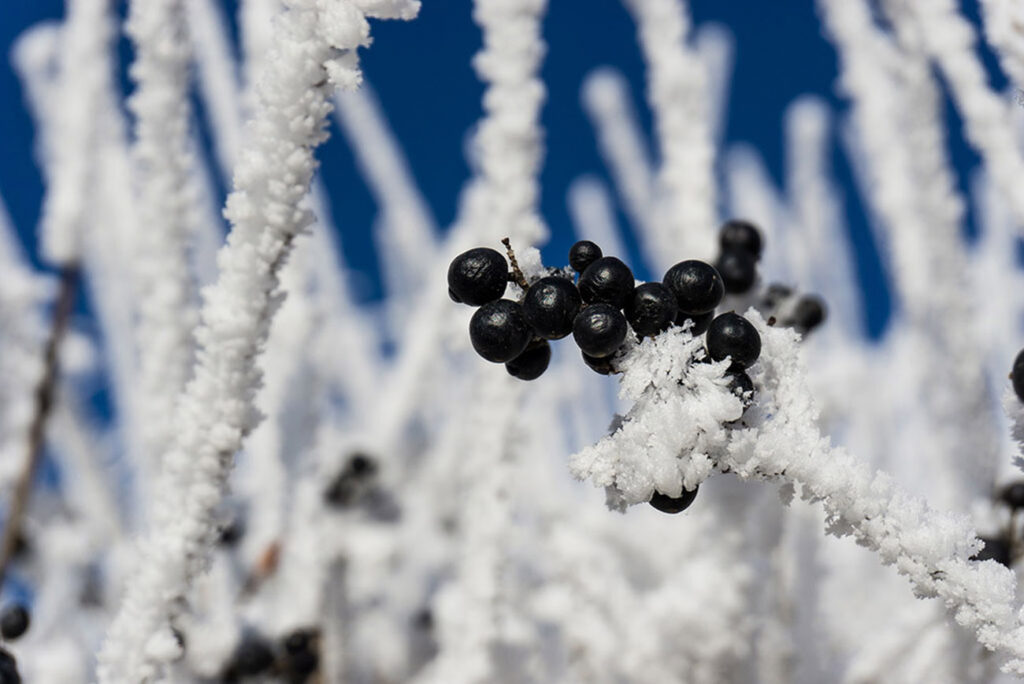
If it is a hedge or small fence acting as a blockade there may be some room to maneuver. Consider cutting back growth or creating a gap for air to drain. Alternatively try to plant larger trees on lower ground and smaller trees upwards on a slope.
Seek out a plot that gets plenty of sun.
If you have a space in your garden that has a sun facing wall, use it! The wall acts as a shield protecting your fruit trees from the elements, whilst also, soaking up heat during the day to be released in the evening. Training your fruit against a wall will ensure your plant really reaps the full benefit of the heat it stores.
Protecting Fruit Trees: Best Methods for Defence
Indeed if you are reading this blog, it is entirely possible we are past the early prevention phase. In this case early protecting fruit trees has now become our focus. Below we have some frost protection methods that certainly provide food for thawt!
If your Tree is in its very first year of development, Caring for your Newly Planted Tree is a must read!
Covering your fruit in freezing weather will defend it from forming frost. Different covers offer variable levels of protection, we recommend horticultural fleece for your fruits, but you may want to explore other options. Let’s delve a little deeper…
If you have Strawberry plants, double up a layer of fleece and cover your plant at night. Be sure to remove its cover during the day to allow for pollination. You may prefer to use cloches instead. Feel free as they are just as effective, be sure to remove them when its light just as you would a fleece.
On Soft Fruit Bushes use your fleece to cover your buds or flowers on milder nights when frost is likely to occur. Remember to remove your fleece for daylight hours.
You can also cover Small Fruit Trees in fleece overnight to keep them warmer on frozen nights. We don’t recommend attempting this when protecting fruit trees on a larger scale, mainly because it is highly impractical. Safety first!
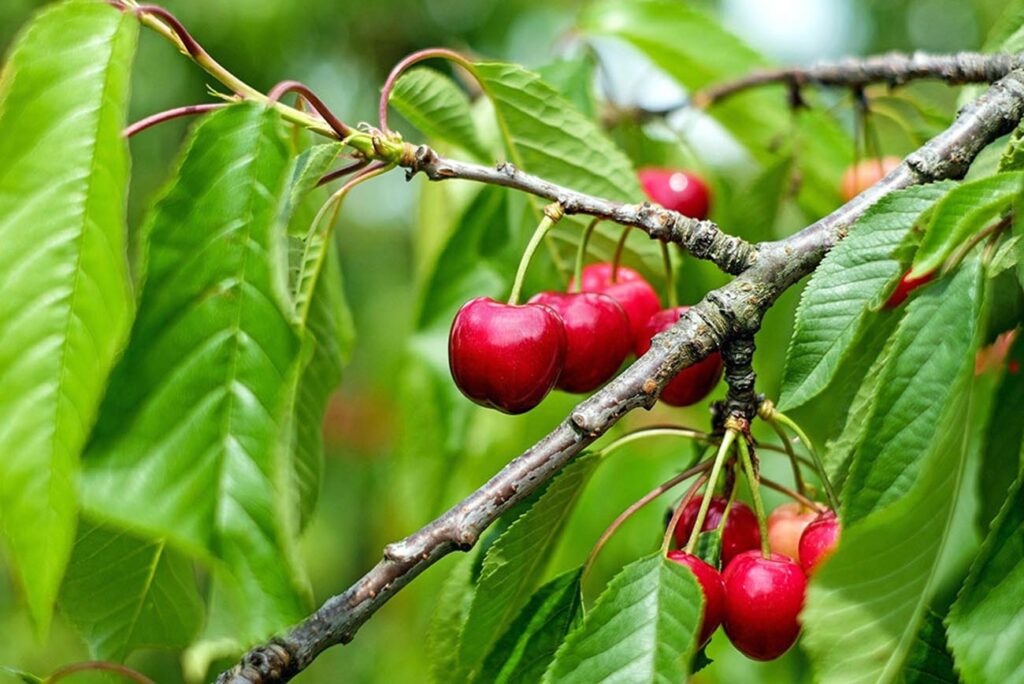
If you do have fruit training on walls a number of materials are ideal for their protection. Hessian or shade netting are a couple of great alternatives if fleece isn’t your thing. Cover your plants with a few layers of your desired insulation and remember to roll them up in lighter hours. Canes can be introduced to steer material away from blossom, further protecting fruit trees.
Keep that grass cut during flowering season! Long grass equals less heat reaching your fruit plant. And when your plant has flowered be sure to mulch. Finally, you are done protecting fruit trees from the freeze, go get yourself a cup of tea, a blanket and relax!


